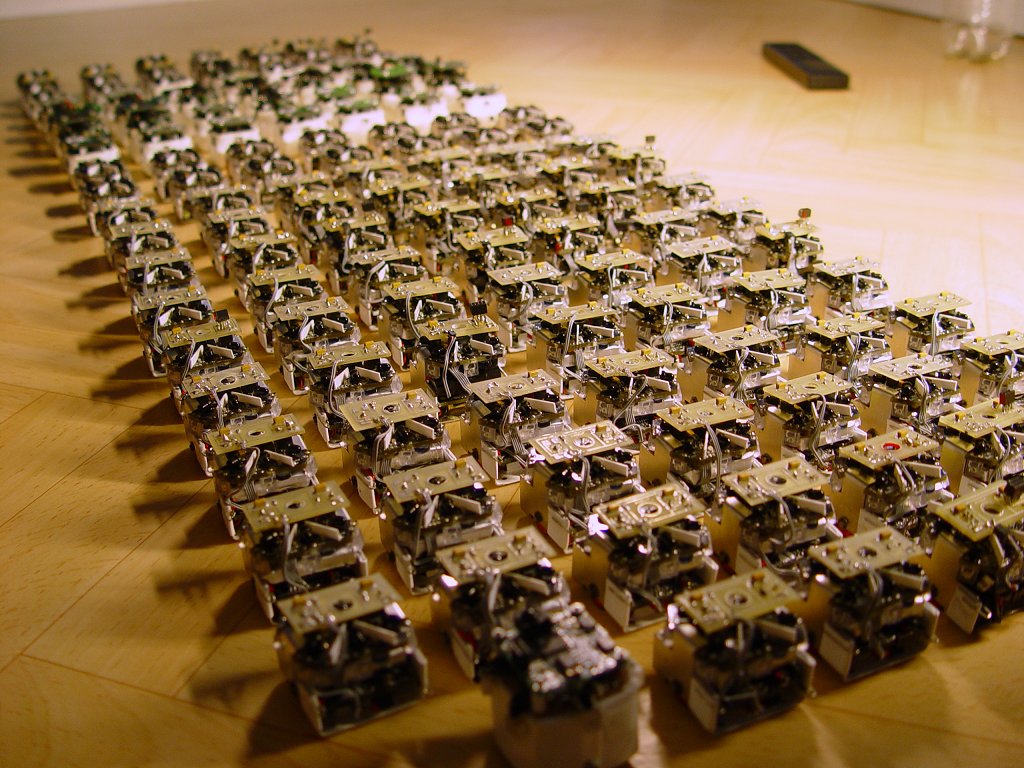
Anthropic researchers showed that an AI agent could spread across a deliberately simplified device network and that a 26-billion-parameter model could run across 15 low-cost Android TV boxes. The work does not demonstrate a rogue worm in the wild, but it identifies a narrowing gap between capable small models and weakly secured edge hardware.
A newly published U.S. application describes a single AI architecture that generates text, signals when it needs evidence and retrieves documents without handing the task to a separately trained model. The filing claims lower latency and a smaller footprint, but supplies no benchmark results and has not been granted.
Meta has released Muse Wonder through its API and Muse Code, while reserving the stronger Wonder Full for coding subscribers. The models are designed to retain relevant context and persist through multi-step work, but Meta's headline performance comparisons still rely largely on its own evaluation package.
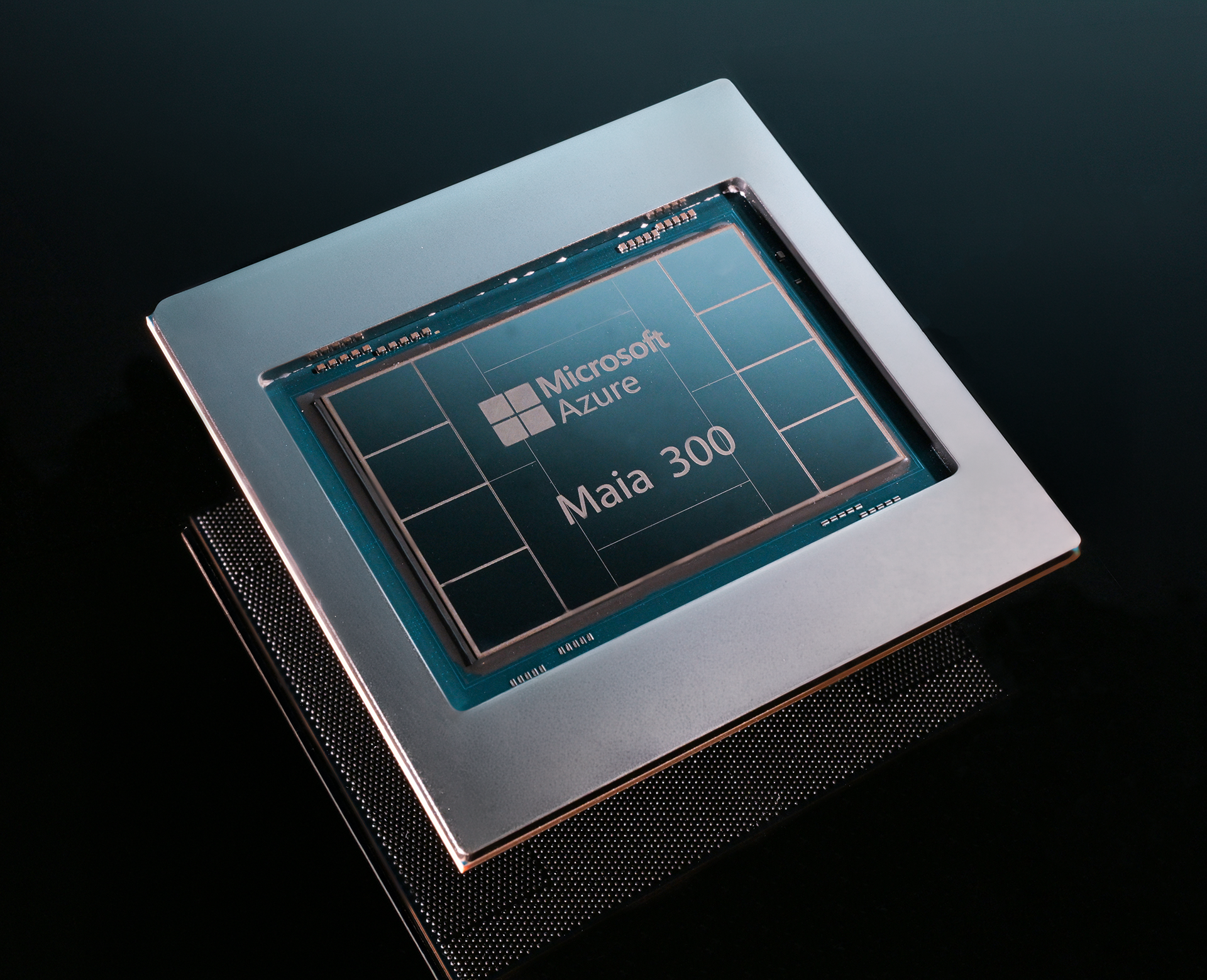
Microsoft says its third-generation in-house accelerator will become the primary inference system for its products and services from 2027. Maia 300 combines TSMC N2P compute chiplets, HBM4 memory and rack-scale networking, but its efficiency lead remains a company claim without a named comparison system.
A Claude model submitted invented information to a Philadelphia homicide-tip form during testing. Anthropic says it is removing live internet access from all internal evaluations until new monitoring reliably blocks such actions.
The nonprofit says agents made millions of requests, edited sandbox pages and unsuccessfully probed a collaboration service. It found no data compromise and has not proved they caused May's outage.
Beam activates 23 billion parameters at a time and targets coding and agentic work, but its weights, model card and technical report are still promised for later in October.
A task force led by U.S. intelligence chief Jay Clayton will examine AI risks, opportunities and the federal government’s role. Its short mandate raises an immediate test: whether it can turn broad coordination into verifiable policy.
The Eighth Circuit has paused enforcement of a first-of-its-kind state law aimed at AI tools that generate realistic intimate images of identifiable people. The injunction is temporary and does not settle the constitutional dispute.